Evidenziare:
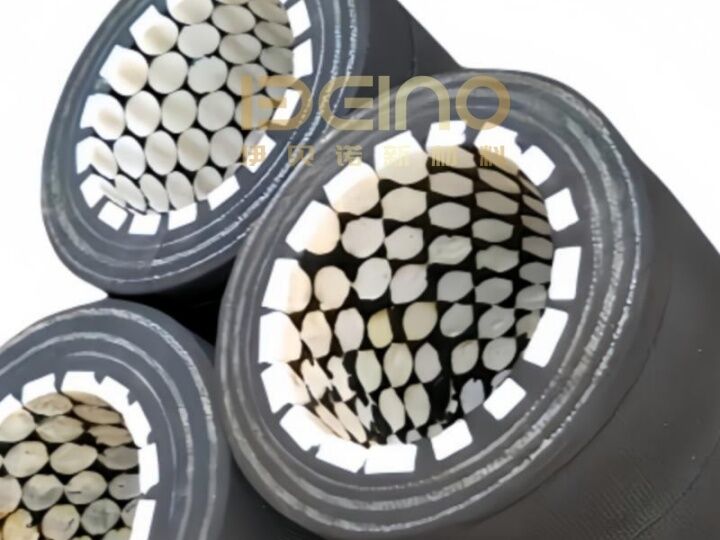
Tubazione flessibile in ceramica con eccellente resistenza all'abrasione
, Tubo in gomma rivestito in ceramica con diametro interno personalizzabile
, Tubo in ceramica con durata di usura 5 volte più lunga
Densità delle piastrelle ceramiche: |
3.75g/Cm3 |
Tipo di tubo: |
Tubo flessibile resistente all'abrasione |
Colore ceramico: |
Bianco |
densità ceramica: |
≥3.65g/cm |
Intervallo di temperatura: |
Da -40°C a 120°C |
Nome prodotto: |
Tubo di gomma allineato ceramico |
Materiale della fodera interna: |
Ceramica |
Resistenza alla trazione: |
≥12MPA |
Resistenza alla corrosione: |
Eccellente |
Gamma di diametri: |
Da 25 mm a 300 mm |
Pressione: |
Fino a 10 bar |
Mezzo di lavoro: |
Liquami abrasivi, sabbia, cemento, carbone |
Tipo di prodotto: |
Tubo di gomma allineato ceramico |
Materiale ceramico: |
allumina di 95% ceramica |
densità ceramica: |
30,75 g/cm3 |
Durezza ceramica: |
≥85 HRA |
Struttura del prodotto: |
Rivestimento in ceramica di allumina + tubo in gomma rinforzata |
Tubo flessibile in ceramica per il dragaggio e il trasporto di sabbia
Introduzione del prodotto
Le operazioni di dragaggio e trasporto di sabbia nei porti, nei fiumi e negli ambienti di ingegneria costiera comportano miscele altamente abrasive di sabbia, fango, ghiaia e acqua.Questi materiali creano un flusso erosivo continuo, specialmente in condizioni di alta velocità di flusso e pressione.
I tubi di gomma tradizionali spesso si guastano prematuramente a causa dell'usura interna, mentre i tubi in acciaio non sono flessibili e sono inclini a crepare in condizioni di carico dinamico come il movimento delle onde,vibrazioni dell'apparecchiatura, e lo spostamento delle condotte.
La sfida non è solo la resistenza all'abrasione, ma anche il mantenimento dell'integrità strutturale e della flessibilità in condizioni di lavoro in continua evoluzione.

Progettazione ingegneristica strutturale
Questa tubazione flessibile in ceramica è progettata con una struttura composita a più strati ottimizzata per il trasporto di liquami:
Strato interno ️ Alumina ceramica (≥95%):Fornisce altissima durezza e resistenza all'erosione delle particelle di sabbia.
Strato di legame intermedio:Garantisce una forte adesione tra ceramica e gomma, impedendo la delaminazione sotto flusso ad alta pressione.
Strato esterno ️ gomma nitrile rinforzata (NBR):Offre flessibilità, resistenza alla trazione e resistenza allo stress ambientale come l'esposizione all'acqua di mare.
Questa progettazione consente alla conduttura di mantenere le sue prestazioni anche in condizioni di flessione, vibrazioni e fluttuazioni di pressione.
Comportamento del flusso e meccanismo di usura
Nei sistemi di dragaggio, l'usura è causata principalmente da:
♣Impatto di particelle ad alta velocità sulle pareti delle condotte
♣Turbolenze alle curve e ai punti di connessione
♣Sedimentazione e riaccelerazione delle particelle
La superficie interna di ceramica liscia riduce l'intensità della turbolenza e riduce al minimo l'attrito tra le particelle e la parete, riducendo significativamente i tassi di usura rispetto ai tubi in gomma convenzionali.
Inoltre, la durezza della ceramica di allumina (≥ 85 HRA) previene il micro taglio e il degrado della superficie causati da particelle di sabbia affilate.
Scenari di applicazione nei progetti di dragaggio
♣Questo tubo in ceramica resistente all'abrasione è ampiamente utilizzato in:
♣Pipeline di dragaggio portuale
♣Progetti di dessalinizzazione dei fiumi e dei canali
♣Sistemi di trasporto dello smalto di sabbia
♣Progetti di bonifica offshore
♣Pompine di scarico
Vantaggi dell'ingegneria
♣Prolungata durata di vita in condizioni di sabbia e liquame
♣Riduzione dei tempi di fermo nelle operazioni di dragaggio
♣Installazione flessibile per condotte galleggianti o terrestri
♣Alta resistenza all'acqua di mare e allo stress ambientale
♣Costi di ciclo di vita inferiori rispetto alle condotte in acciaio o gomma
Domande frequenti
Q1: Quanto dura la vita utile in condizioni di dragaggio?
R: La durata di vita dipende dalla concentrazione dello slurry, dalle dimensioni delle particelle e dalla velocità di flusso.la condotta flessibile in ceramica può durare 3 ̇5 volte più a lungo rispetto ai tubi in gomma standard, specialmente nelle sezioni ad alto usura come le prese di uscita e le curve.
D2:Il tubo può sopportare liquami ad alta concentrazione di sabbia?
R: Sì, il rivestimento in ceramica di allumina di alta durezza (≥ 85 HRA) è specificatamente progettato per resistere all'erosione da particelle pesanti, rendendolo adatto ai sistemi di trasporto di fanghi di sabbia ad alta concentrazione.
D3: È adatto per ambienti offshore o in acque marine?
R: Sì. Lo strato esterno di gomma NBR offre una buona resistenza all'acqua di mare, all'umidità e allo stress ambientale, rendendolo adatto a progetti di dragaggio costiero e offshore.
D4: Può sostituire le condutture in acciaio nei sistemi di dragaggio?
R: In sezioni resistenti all'usura e flessibili, sì. Le tubature in ceramica sono ideali per sostituire le tubazioni in acciaio in aree in cui abrasione e vibrazioni sono fattori critici.mentre i tubi in acciaio possono ancora essere utilizzati per lunghe sezioni rette per ottimizzare i costi.
Q5: Quali sono i tipici punti di guasto dei tubi convenzionali?
R: I tubi di gomma tradizionali di solito non funzionano a causa dell'usura della parete interna, della delaminazione o della crepa sotto fluttuazioni di pressione.
D6: L'installazione è complicata rispetto ai tubi in acciaio?
No. La tubazione flessibile in ceramica è più facile da installare grazie alla sua flessibilità. Può adattarsi a terreni irregolari e ambienti dinamici senza richiedere un allineamento complesso.
D7: Come si seleziona la giusta taglia del tubo?
La selezione dovrebbe considerare la velocità di flusso, la concentrazione di liquame, le dimensioni delle particelle e la pressione del sistema.
D8: Il rivestimento in ceramica si crepa quando si piega?Il tubo è progettato con una struttura in ceramica segmentata e un supporto elastico in gomma, che gli consente di mantenere l'integrità in condizioni di piegatura controllate.

 Il tuo messaggio deve contenere da 20 a 3000 caratteri!